Source Elevated Runway Edge Obstruction Light for High Buildings, Sea, and Tower
Find 26 elevated runway edge obstruction light options for high buildings, sea, and tower applications. Compare models like LB-AOB05 and SGZ-2A with varying voltage, IP ratings, and power consumption to select the right aviation safety solution.
Key considerations
Products List


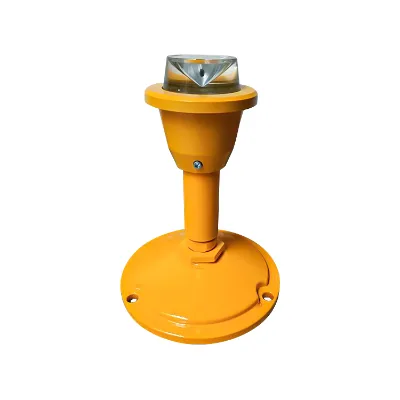
Comprehensive Sourcing Guide
Sourcing Guide for Elevated Runway Edge Obstruction Lighting Systems
Understanding Technical Specifications for Aviation Safety
When sourcing elevated runway edge obstruction lights, buyers must first distinguish between the specific operational requirements of the site and the technical capabilities of the available units. The core keyword implies a need for lighting that ensures visibility for aircraft navigating near elevated structures, such as towers, high buildings, or sea-based platforms. The technical landscape for these products is defined by a variety of intensity ratings and power configurations.
Based on available market data, obstruction lights are categorized by intensity levels, ranging from Low Intensity to Medium Intensity Aviation Obstruction Lights. Low intensity units are often designed for general visibility, while Medium Intensity units, such as those with model identifiers like LB-MI-B2(L), are engineered for higher visibility requirements. A critical technical parameter is the luminous intensity, where specific models demonstrate performance metrics of ≥2000CD. This figure is essential for ensuring the light penetrates atmospheric conditions and remains visible to pilots at critical distances.
Power consumption and voltage compatibility are equally vital. The supply chain offers units operating on standard AC voltages (220V, 120V) as well as DC systems (48V, 12V). For solar-powered variants, the power supply is explicitly solar energy, with specific wattage configurations available, such as 15W or 20W. These solar models often feature a charging time of approximately 7 to 8 hours and a lighting duration of 8 to 12 hours, making them suitable for remote locations where grid connectivity is unreliable. The physical dimensions also vary; some units are compact with a light shell diameter of 70mm, while others, like the LB-AOB05, have larger profiles. Buyers must verify that the physical footprint, such as a dimension of 229×229×168mm for non-solar systems, fits the structural constraints of the installation site.
Compliance and Certification Verification
In the aviation sector, compliance is not merely a regulatory formality but a fundamental safety requirement. Procurement teams must rigorously verify that any obstruction light system meets international and local aviation standards. The market data indicates that reputable suppliers often hold certifications such as ISO, CE, and CCC. These certifications serve as evidence that the manufacturing process adheres to quality management systems and electrical safety standards.
When evaluating a supplier, buyers should request documentation proving that the product conforms to specific aviation lighting standards. While the exact standard numbers may vary by region, the presence of ISO and CE marks suggests adherence to European and international quality norms. For products intended for the Chinese market or those manufactured there, the CCC certification is a mandatory requirement. It is crucial to understand that these certifications apply to the manufacturing facility and the specific product batch, not necessarily to every unit in a general catalog. Therefore, buyers must ensure that the specific model ordered carries the valid certification documentation.
Furthermore, the environmental durability of the light is a compliance factor. The IP (Ingress Protection) rating is a standard metric used to define the level of protection against dust and water. Available data shows a range of ratings, including IP54, IP65, and IP66. For elevated runway edge applications, where the lights are exposed to rain, wind, and dust, a high IP rating is non-negotiable. An IP66 rating, for instance, indicates total protection against dust and powerful water jets, which is ideal for harsh environments. Buyers should verify that the IP rating provided in the product specification matches the environmental conditions of the installation site, rather than assuming a standard rating applies to all models.
Cost Drivers and Pricing Dynamics
The cost of elevated runway edge obstruction lights is influenced by several variables, including intensity, power source, and customization options. The observed price range in the market spans from $35 to $400 USD. This wide variance reflects the difference between basic low-intensity units and complex medium-intensity systems with advanced features.
One of the primary cost drivers is the power system. Solar-powered units, which include batteries, solar panels, and charging controllers, generally command a higher price point than grid-connected AC/DC units. For example, models like the WON-155SAOL-20W are solar-powered and include specific features like wireless capabilities and easy installation, which add to the manufacturing cost. Conversely, grid-connected units with lower power consumption, such as those under 10W, may fall on the lower end of the price spectrum.
Customization is another significant factor. The market data confirms that customization is available for these products. Buyers requiring specific emitting colors, such as red (though other colors are optional), or specific dimensions, will incur additional costs. The weight of the unit also plays a role; heavier units, such as those weighing approximately 4500g, may require more robust materials and packaging, influencing the final price. Additionally, the packaging type, ranging from standard carton boxes to export-standard wooden cases, affects the logistics cost. Buyers should request a detailed breakdown of costs to understand how much of the price is attributed to the core lighting unit versus the solar components, packaging, and customization fees.
Typical Applications and Installation Requirements
Elevated runway edge obstruction lights are designed for specific high-risk environments where visibility is critical for flight safety. The primary applications include high buildings, sea platforms, and communication towers. These structures pose a hazard to low-flying aircraft, necessitating the installation of lights that can be seen from a distance and in various weather conditions.
The installation method is a key consideration for procurement. The data indicates that installation can be embedded, which suggests a flush-mount or recessed approach suitable for certain structural designs. For other applications, the mounting may require specific brackets or poles. The maximum height of certain PAPI (Precision Approach Path Indicator) lights is noted to be 900mm, which provides a reference for the physical scale of the equipment. Buyers must ensure that the selected light model is compatible with the structural integrity of the installation site. For instance, units with a wind resistance strength of 560km/h are designed to withstand extreme weather events, making them suitable for coastal or high-altitude locations.
The operating temperature range is another critical factor for application suitability. The observed data specifies an affordable temperature range of -55°C to 55°C. This wide range ensures that the lights can function in extreme cold or heat, which is common in many global locations. Buyers should verify that the specific model they are sourcing can operate within the temperature extremes of their project site. Additionally, the working time of the light source, noted as about 8000 hours, indicates the lifespan of the LED components. This metric helps in planning long-term maintenance schedules and replacement cycles.
Supplier Evaluation and Quality Control
Selecting a reliable supplier is paramount for ensuring the safety and longevity of aviation lighting systems. The origin of the products is a key indicator of supply chain stability. The majority of the observed products originate from Huizhou, Guangdong, China, a region known for its manufacturing capabilities in electronics and lighting. However, buyers should not rely solely on the region; they must evaluate the specific supplier's track record, production capacity, and quality control processes.
Quality control should begin with the verification of product attributes. Buyers must cross-reference the supplied specifications with the actual product samples. For example, if a supplier claims an IP66 rating, the buyer should request test reports or certification documents to validate this claim. The material grade, such as the IP 65 waterproof rating mentioned in some contexts, must be consistent with the product description. Discrepancies between the claimed specifications and the actual product can lead to installation failures and safety hazards.
Furthermore, the supply chain logistics should be assessed. The observed Minimum Order Quantity (MOQ) ranges from 1 to 100 units, offering flexibility for both small-scale projects and large infrastructure developments. Buyers should evaluate the supplier's ability to meet lead times and handle export logistics, especially for products requiring specialized packaging like wooden cases. The availability of customization options also indicates a supplier's flexibility and responsiveness to specific project needs. A supplier that can accommodate custom colors, dimensions, or power configurations is better equipped to handle unique project requirements.
Long-Term Procurement and Maintenance Considerations
Procuring elevated runway edge obstruction lights is a long-term investment that requires careful planning for maintenance and lifecycle management. The durability of the light source is a primary concern. With an LED light source and a working time of about 8000 hours, the lights are designed for extended service life. However, buyers should consider the environmental factors that may accelerate wear and tear, such as high winds, salt spray in coastal areas, or extreme temperature fluctuations.
Maintenance planning should include the replacement of solar components, if applicable. Solar-powered units have a charging time of 7 to 8 hours and a lighting time of 8 to 12 hours, which depends on the condition of the solar panels and batteries. Over time, the efficiency of these components may degrade, requiring periodic inspection and replacement. Buyers should inquire about the availability of spare parts and the supplier's support for maintenance services.
Additionally, the integration of the lighting system with existing airport infrastructure is crucial. The voltage compatibility, whether AC 220V, AC 120V, or DC 48V, must align with the site's power distribution system. For solar units, the integration with the site's energy management system may be necessary. Buyers should also consider the scalability of the procurement. If the project involves multiple sites or future expansions, the supplier should be able to provide consistent quality and specifications across all units.
In conclusion, sourcing elevated runway edge obstruction lights requires a comprehensive understanding of technical specifications, compliance requirements, cost drivers, and long-term maintenance needs. By carefully evaluating the available data and verifying supplier claims, buyers can ensure the selection of high-quality lighting systems that meet the stringent safety standards of the aviation industry. The wide range of options, from low-intensity to medium-intensity lights, and from grid-connected to solar-powered systems, provides the flexibility needed to address diverse project requirements. However, the ultimate success of the procurement depends on rigorous due diligence and a commitment to quality and safety.
FAQs
What certifications do elevated runway edge obstruction lights typically have?
Reputable units often hold ISO, CE, and CCC certifications to ensure safety compliance. These marks indicate adherence to quality management systems and electrical standards required for aviation applications.
Which IP ratings are available for these aviation obstruction lights?
Available ratings include IP54, IP65, and IP66 depending on the specific model. Higher ratings like IP66 provide total protection against dust and powerful water jets for harsh environments.
Can these lights operate on solar power systems?
Yes, solar-powered variants are available with 15W or 20W configurations. These units typically require 7 to 8 hours of charging time and provide 8 to 12 hours of lighting duration.
What is the typical operating voltage range for these lights?
Units support AC 220V, AC 120V, and DC 48V or 12V options. This flexibility allows integration with various power distribution systems at high buildings or sea platforms.
How much does an elevated runway edge obstruction light cost?
The observed price range spans from 35 to 400 USD per unit. Costs vary based on intensity ratings, power sources, and customization options like color or dimensions.
What is the maximum height for PAPI lights in this category?
The maximum height for PAPI lights is noted to be 900mm. This dimension helps buyers select units that fit specific structural constraints for elevated runway edge applications.
Which models offer customization for emitting colors?
Customization is available with red as the standard emitting color. Other colors are optional, allowing buyers to meet specific aviation visibility requirements for towers or high buildings.